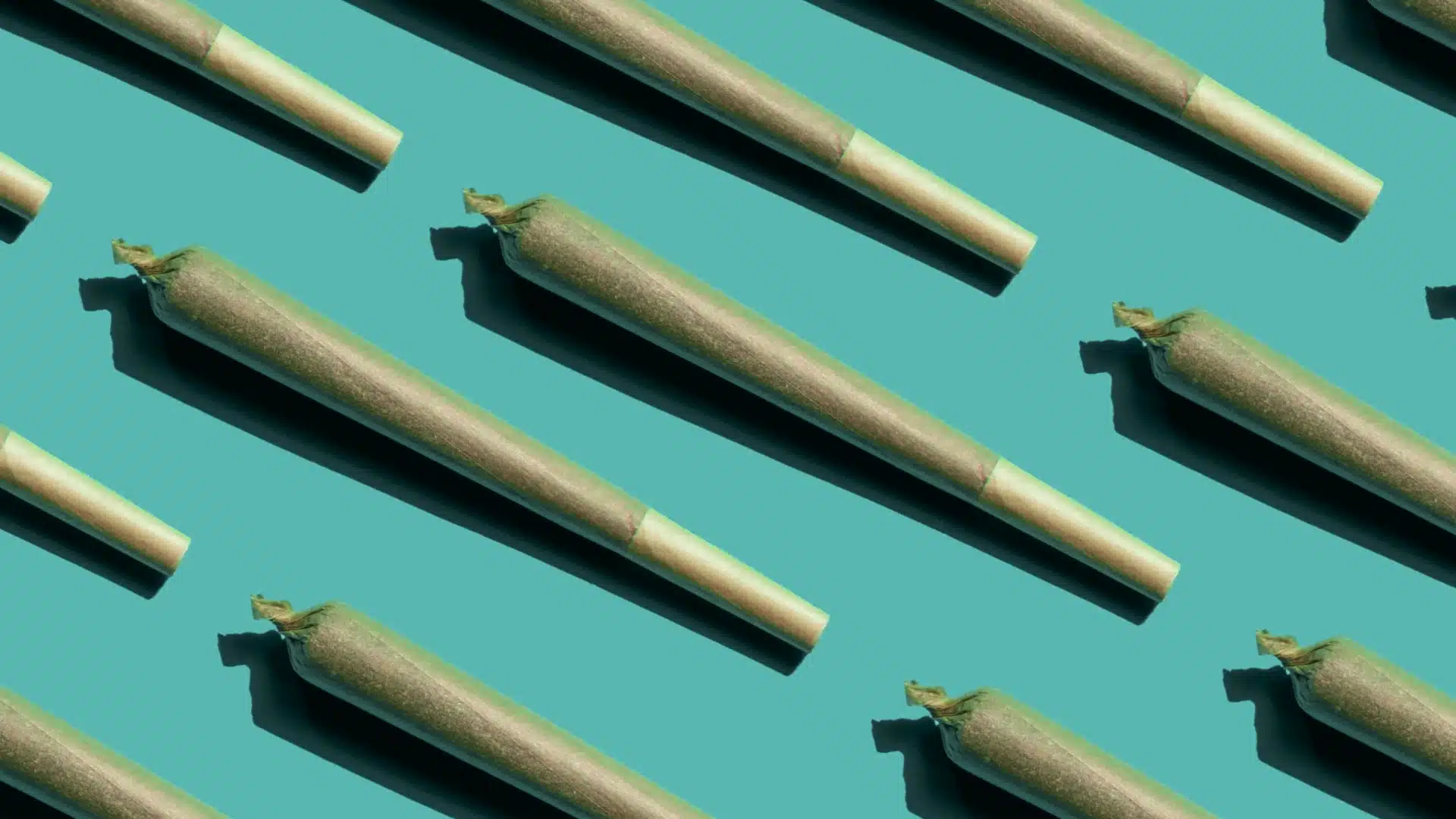
So you’re standing at the counter (or scrolling through your app), trying to figure out what to grab and you realize you’re not 100% sure what you’re actually looking for. No shame in that… Most people never get a straight answer on this.
Here’s the thing: good flower tells a story before you even light it. Once you know what to look for, choosing quality cannabis starts to feel a lot more natural. It’s part intuition, part knowledge, and a little bit of paying attention.
Let’s break it down.

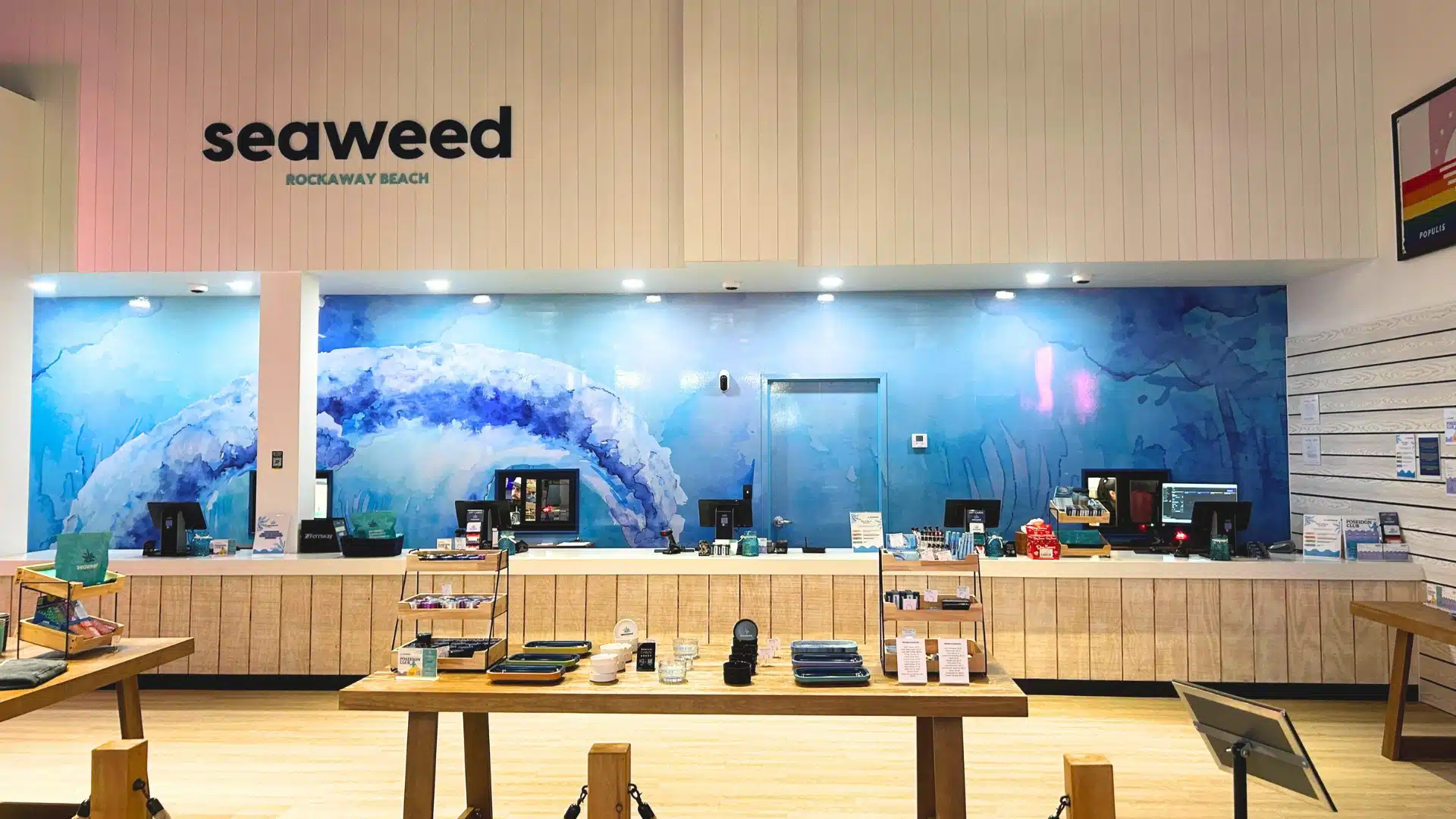
Seaweed RBNY is Rockaway Beach’s neighborhood cannabis dispensary, located at 73-13 Beach Channel Dr, Arverne, NY. Open to adults 21+. Order in-store, via the Seaweed app, or request delivery to eligible areas.
color: more than just green
When people picture cannabis, they usually think green, but the reality is way more interesting. Quality flower tend to show a rich, deep green as its base, often layered with secondary colors that signal good genetics and a healthy growth. Look for:- Deep, vibrant greens: bright but not neon, which can indicate over-fertilization
- Purple, blue, or burgundy hues: these come from anthocyanins (natural plant pigments) and are completely normal in certain strains, especially those grown at cooler temperatures
- Orange or amber pistils: those little hair-like strands you see curling through the bud; they shift from white to orange or red as the plant matures, which is a good sign
- Milky or amber trichomes: more on those in a second
trichomes: the tiny crystals that matter most
If you’ve ever picked up a bud and noticed a frosty, almost glittery coating on the surface, that’s trichomes. These microscopic structures are the main event. They’re where the cannabinoids (like THC and CBD) and terpenes live. High-quality flower is visibly coated in them. When you look closely (ideally with a small loupe or magnifier), trichomes on well-grown cannabis should appear:- Milky white: peak cannabinoid production
- Amber: more relaxed, slightly sedative effect as THC converts to CBN
- Clear: usually means harvested a little early
structure & texture: what a good bud feels like
Give it a gentle squeeze (if you’re in a position to). Quality flower should feel:- Slightly sticky: the stickiness comes from resin and is a good sign
- Springy, not crispy: a well-cured bud bounces back slightly when pressed; it shouldn’t crumble into dust
- Dense enough to have weight: airy, light buds aren’t necessarily bad, but very dense, resinous nugs tend to indicate a quality grow
the smell: trust your nose
This one is probably the most telling indicator of quality. Cannabis flower should have a distinct, pronounced aroma, one that stops you in your tracks a little. What good weed smells like depends on the strain, but you’re generally looking for complexity and intensity. Common aroma profiles include:- Citrusy and bright: lemon, orange, grapefruit
- Earthy and herbal: pine, soil, fresh herbs
- Sweet or fruity: berries, tropical, candy
- Fuel and funk: diesel, skunky, pungent (yes, this is desirable in certain strains)
- Floral and light: lavender, chamomile

what about seeds and stems?
Finding seeds in your flower is a sign of lower-quality cultivation. A properly grown cannabis plant is cultivated without male plants nearby, which prevents pollination and seed production. Seeded flower is generally considered inferior since the plant spends energy on seeds instead of cannabinoids. Stems are a bit different. Every bud has a central stem, and that’s fine. What you don’t want is a bag full of shake and tiny sticks with very little actual flower attached. You’re paying for flower and it should look like it.shake vs. flower: what’s the difference?
Shake is the loose, broken-up bits of flower that collect at the bottom of a jar or bag. It’s not necessarily bad cannabis, it’s just the smaller, looser material that’s fallen off the main buds. Shake can be a more budget-friendly option and works fine for rolling joints or making edibles at home. It’s just not the same experience as a well-structured, intact nug, and it does tend to dry out faster.how to evaluate flower at a dispensary
At Seaweed, our team is always happy to walk you through what we have in stock and what to expect from each product. But here are some general tips for making the most of a visit: Ask questions. That’s literally what budtenders are there for. Ask about the grow (indoor vs. greenhouse vs. outdoor), the curing process, and how long it’s been in the jar. Good flower should ideally be consumed within six months of harvest. Look at the label. Reputable New York dispensaries carry products with certificates of analysis (COAs) from licensed labs, which show cannabinoid and terpene percentages. High THC isn’t the only thing worth looking for, terpene content matters too. Use your senses. Even through a jar, you can usually see the color, structure, and frost. If there’s an option to smell, do it. Don’t judge by THC alone. A 30% THC flower isn’t automatically “better” than a 22% one. The overall profile (cannabinoids, terpenes, how it was grown) shapes the full experience more than any single number.quick reference: what good weed looks like
What You’re Checking |
Signs of Quality |
Red Flags |
|---|---|---|
| Color | Rich greens, purples, orange pistils | Yellow/brown throughout, pale or faded |
| Trichomes | Frosty, visibly coated, milky/amber | Dull, sparse, stripped of crystals |
| Texture | Slightly sticky, springy, holds shape | Bone dry and crumbly, wet or spongy |
| Smell | Complex, distinct, strong aroma | Hay, ammonia, grass, or no smell |
| Structure | Dense or fluffy based on strain, minimal stems | Mostly shake, seeds, or excess stem material |
the bottom line
Good flower is something you can learn to recognize and the more exposure you get, the easier it becomes. Think of it as developing a palate. You don’t need to become an expert overnight. You just need to know what questions to ask and what signals to pay attention to. At Seaweed, we only carry flower from licensed New York cultivators who take their craft seriously. Every product on our shelves goes through a quality check so whether you’re a first-time visitor or a seasoned regular, you can shop with confidence. Come in, ask us anything, and let’s find something that feels right for you.Seaweed RBNY is Rockaway Beach’s neighborhood cannabis dispensary, located at 73-13 Beach Channel Dr, Arverne, NY. Open to adults 21+. Order in-store, via the Seaweed app, or request delivery to eligible areas.