
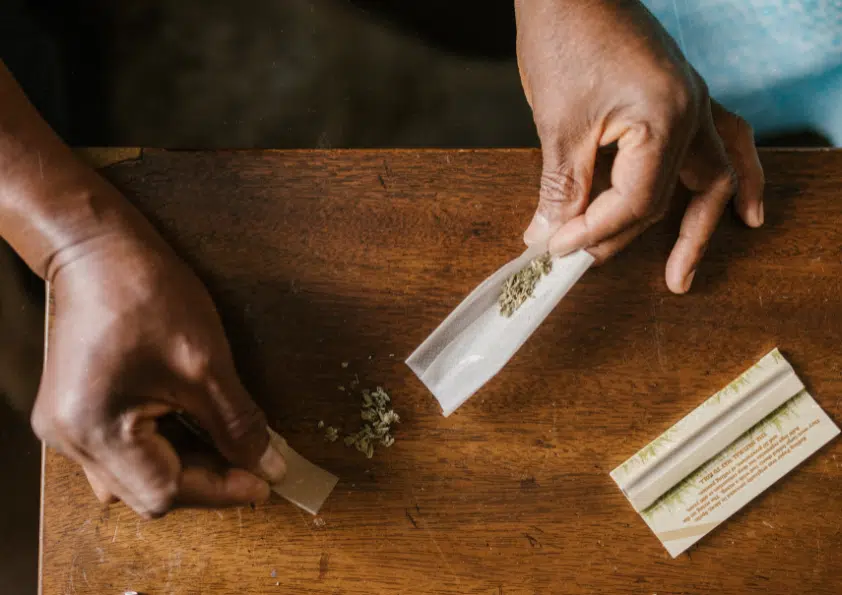
Knowing how to roll a joint properly is one of those things that seems incredibly simple until you actually sit down and try doing it yourself. One joint ends up too loose and burns in a few minutes, another feels so tight you can barely pull smoke through it, and sometimes the entire thing starts canoeing down one side before you are even halfway through smoking it.
Most people go through that learning curve.
The reality is that rolling a good joint has very little to do with making it look perfect and everything to do with creating balance throughout the roll. A properly rolled joint burns evenly, maintains smooth airflow, stays lit consistently, and allows you to enjoy the flower without constantly relighting or fixing the burn.
That balance comes from a few key things working together:
- grind consistency
- airflow
- flower distribution
- rolling pressure
- packing density
Once you understand how those factors affect the way a joint smokes, how to roll the perfect joint starts becoming much more intuitive.
Why Learning to Roll Properly Matters
Pre-rolls are convenient, but knowing how to roll a joint yourself gives you much more control over the overall smoking experience.
You choose:
- the strain
- the amount of flower
- the paper type
- the shape of the roll
- how tightly or loosely it is packed
More importantly, rolling your own joint helps you understand why some joints smoke beautifully while others burn harshly, clog halfway through, or run down one side.
A properly rolled joint burns slowly and evenly, allowing the flavor and terpene profile of the flower to come through naturally. A poorly rolled joint usually overheats the flower, burns unevenly, or restricts airflow so much that the experience becomes frustrating instead of enjoyable.
What You Need Before You Start
You do not need expensive accessories to roll a good joint, but having the right setup definitely helps.
Essentials
- Cannabis flower
- Rolling papers
- Grinder
- Filter or crutch
- Lighter
Optional but Helpful
- Rolling tray
- Packing tool or pen
- Small scissors for adjustments
A rolling tray is especially useful while learning because flowers tend to end up everywhere during the first few attempts.
The quality of your tools matters more than most people realize too. Cheap papers can burn unevenly or tear easily, while poor grinders create inconsistent flower texture that directly affects airflow and burn quality.
Choosing the Right Rolling Papers
Not all rolling papers smoke the same, and the type of paper you use can completely change how a joint burns.
Different papers affect:
- burn speed
- airflow
- flavor
- rolling difficulty
Hemp Papers
Hemp papers are usually the easiest option for beginners because they are slightly thicker, easier to grip, and slow-burning.
Rice Papers
Rice papers are thinner and cleaner tasting, which many experienced smokers prefer, but they can be harder to work with when learning because they crease and tear more easily.
Wood Pulp Papers
Wood pulp papers are classic and beginner-friendly. They are durable, easy to handle, and generally more forgiving during the rolling process.
The best paper is ultimately the one that feels natural in your hands and allows you to roll consistently without fighting the material.
Why Filters Matter More Than People Think
A filter, also called a crutch or tip, does much more than simply stop flowers from getting into your mouth.
A properly made filter helps:
- maintain airflow
- create structure
- keep the joint stable while smoking
- prevent the mouthpiece from collapsing
- make the joint easier to hold near the end
Without a filter, joints often soften near the mouthpiece and become harder to smoke evenly.
Most people either use pre-made tips or create their own using a small strip of cardstock folded into a zig-zag or accordion shape before rolling it into a cylinder.
It is a small detail, but it makes a noticeable difference in how the joint smokes. A big part of how to roll the perfect joint comes down to consistency before the paper is even sealed.
How to Roll the Perfect Joint
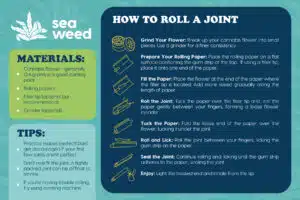
Step 1: Grind Your Flower Properly
One of the most overlooked parts of how to roll a joint is getting the grind consistency right.
If the flower is too chunky, the joint develops air pockets that cause uneven burning. If it is ground too finely, airflow becomes restricted and the joint feels clogged while smoking.
You want a medium, fluffy consistency that spreads evenly inside the paper without becoming compressed too tightly.
Research on cannabis combustion has even shown that particle size directly affects how evenly a joint burns and how cannabinoids are released during smoking.
This is why grinders matter so much. Consistent flower texture creates more balanced airflow and a more controlled burn.
Step 2: Build the Filter
Take a small strip of cardstock or a pre-made filter tip and fold a small “W” or accordion shape at one end. Then roll the remaining strip around it to create a cylinder.
Place the filter at one end of the rolling paper before adding your flower.
The filter acts as the structural foundation of the joint and helps maintain airflow once the joint is lit.
Step 3: Fill the Paper Evenly
Sprinkle the ground flower evenly along the crease of the paper.
One of the most common beginner mistakes is packing too much flower into the center while leaving the ends thinner. Uneven density creates uneven airflow, which often leads to canoeing once the joint is lit.
Smaller joints are easier to shape evenly and much more forgiving while learning.
Step 4: Shape the Joint Before Rolling
This shaping stage is honestly where how to roll a joint properly starts coming together.
Before sealing the paper, gently roll the flower back and forth between your fingers to create an even cylinder. The goal is not to compress the flower tightly, but to distribute it evenly from one end to the other.
This step determines:
- airflow consistency
- burn balance
- how smoothly the joint pulls
If one section becomes denser than another, the joint will almost always burn unevenly later. Taking a little extra time here usually makes the rest of the process much easier.
Step 5: Tuck, Roll, and Seal
Once the shape feels even, tuck the non-adhesive edge of the paper underneath the flower and begin rolling upward toward the adhesive strip.
This is usually the hardest part for beginners, but it becomes easier once you stop trying to force the paper into place. The paper should naturally wrap around the shape you already created during the shaping stage.
Once tucked properly:
- Lightly moisten the adhesive strip
- Seal the paper gently
- Smooth the seam with your fingers
There is no need to soak the glue. A small amount of moisture is enough to activate the adhesive without softening the paper too much.
Step 6: Pack and Twist the End
After sealing the joint, use a pen, poker tool, or similar object to gently pack the open tip.
Packing helps:
- remove air gaps
- create a slower burn
- improve consistency while smoking
The important thing is not to overpack it. Gentle pressure is enough. Once packed evenly, twist the open end closed to keep the flower secure.
Why Joints Burn Unevenly
If your joint constantly burns down one side, that is called canoeing. This usually happens because airflow is uneven somewhere inside the roll.
Common Causes of Canoeing
- uneven grinding
- inconsistent flower distribution
- overpacking
- loose air pockets
- uneven lighting
A properly rolled joint burns evenly because airflow moves consistently through the entire cylinder. Once one side burns hotter or faster than the other, the cherry begins drifting sideways.
Lighting technique matters more than most people realize too. Instead of aggressively torching one spot, rotating the joint slowly while lighting helps establish a balanced burn from the beginning.
How to Fix Canoeing
If your joint starts burning unevenly, there are a few easy ways to correct it.
Quick Fixes
- Lightly wet the faster-burning side
- Rotate while relighting
- Gently massage dense sections
- Slow down your pulls
Most canoeing problems are airflow problems, which is why consistency during the rolling process matters so much. A lot of people trying to figure out how to roll a joint blame the paper first, when the real issue is usually airflow imbalance somewhere inside the roll.
Common Joint Rolling Mistakes
Rolling Too Tight
A lot of beginners assume tighter joints smoke better, but overpacking usually restricts airflow and makes the joint difficult to pull from. A properly rolled joint should feel evenly packed without feeling compressed too tightly.
Grinding Too Fine
Flowers that are ground too finely tend to compact inside the paper, which can block airflow and create a harsher burn. A medium, fluffy grind usually burns much more evenly.
Uneven Flower Distribution
If one section of the joint contains more flowers than another, the burn becomes uneven very quickly. Taking a few extra seconds to distribute the flower evenly across the paper can make a huge difference once the joint is lit.
Rushing the Process
Most rolling problems happen because people move too quickly through the shaping and tuck stages. Slowing down slightly and focusing on creating an even shape usually leads to a much smoother burn.
At the end of the day, rolling gets easier with repetition. Once you start paying attention to airflow, grind consistency, and packing pressure, the difference in how your joints smoke becomes noticeable pretty quickly.
Frequently Asked Questions
How much weed should you put in a joint?
For beginners, around 0.4g to 1g is usually ideal because smaller joints are easier to roll evenly and tend to burn more consistently.
Why does my joint keep canoeing?
Canoeing usually happens because of uneven packing, poor airflow, inconsistent grinding, or uneven lighting.
Should a joint be tight or loose?
A properly rolled joint should feel lightly firm while still maintaining smooth airflow throughout the roll.
What are the best rolling papers for beginners?
Slightly thicker hemp or wood pulp papers are usually easiest for beginners because they are easier to grip and less likely to tear during rolling.
Do filters make joints smoke better?
Yes. Filters improve airflow, create structure, prevent loose flower from pulling through, and make the joint easier to hold while smoking.
Why does my joint go out constantly?
This usually means airflow is restricted somewhere inside the joint or the flower was packed too tightly.
The Difference a Proper Roll Makes
Rolling a smooth-burning joint consistently takes practice, but understanding why joints fail is what actually makes the process easier to learn. Once you begin paying attention to grind consistency, airflow, pressure, and flower distribution, rolling becomes far less frustrating and much more predictable.
And the difference is noticeable immediately. A properly rolled joint burns slower, smokes smoother, wastes less flower, and allows you to experience the flavor and effects of cannabis the way it is actually meant to be enjoyed.
Build a Better Roll From the Start
Sometimes the difference between a frustrating joint and a smooth one comes down to the little things, better papers, a more consistent grind, or the right filter setup.
If you are looking to upgrade your rolling routine, we’ve got everything you need to make the process smoother from start to finish.