
Cannabis is often simplified into a single question: How strong is it? For years, the conversation has revolved almost entirely around THC levels, with CBD occasionally stepping into the spotlight. But this narrow focus misses something important.
Cannabis is not just one compound. It is a complex plant made up of hundreds of active elements, all working together in ways we are still trying to understand fully.
That is where terpenes come in.
Terpenes are the aromatic compounds responsible for the scent and flavor of cannabis, but their role goes far beyond smell. They help shape how different strains feel, why one variety may be energizing while another feels deeply relaxing, and why two products with the same THC level can produce completely different experiences.
To really understand cannabis, you have to look beyond the buzz and explore the relationship between cannabinoids and terpenes. This relationship, often described through terpenes in cannabinoids, is what gives cannabis its depth and complexity.

What Are Cannabinoids?
Before diving deeper into terpenes, it is important to understand cannabinoids first. They are the foundation of how cannabis works in the body. Cannabinoids are naturally occurring chemical compounds found in the cannabis plant. They are responsible for most of the physical and mental effects people associate with cannabis use. What makes cannabinoids unique is how they interact with the body’s endocannabinoid system (ECS). This system plays a key role in maintaining balance across many bodily functions, including mood, sleep, appetite, memory, and pain perception. You can think of the ECS as a communication network. Cannabinoids act like messengers that bind to receptors in this system, triggering different responses depending on the compound. There are over 100 cannabinoids identified in cannabis, but a few stand out:- THC (tetrahydrocannabinol) is the primary psychoactive compound. It is responsible for the “high” feeling and can also influence mood, appetite, and perception
- CBD (cannabidiol) does not produce a high. It is often associated with calming effects and is commonly used for wellness purposes
- CBG (cannabigerol) is sometimes called the “mother cannabinoid” because other cannabinoids develop from it
- CBN (cannabinol) is often linked to relaxation and is being studied for its potential role in sleep
What Are Terpenes?
Terpenes are natural compounds found in many plants, not just cannabis. They are responsible for the aromas and flavors we associate with things like citrus fruits, pine trees, herbs, and flowers. In cannabis, terpenes are found in the same resin glands that produce cannabinoids. More than 120 different terpenes have been identified in the plant, making them the second most abundant group of compounds after cannabinoids. At a basic level, terpenes give cannabis its personality. They are why one strain smells like lemon, another like pine, and another like something earthy or spicy. But their role does not stop at scent. Terpenes also serve protective functions for the plant. They help defend against pests, attract pollinators, and shield the plant from environmental stress. When consumed by humans, terpenes may influence how cannabis feels, although research is still ongoing. What is clear is that they contribute to the overall experience in meaningful ways.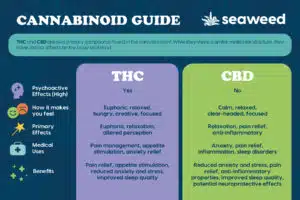
Terpenes vs. Cannabinoids: A Simple Way to Understand It
If you are new to cannabis, it helps to think about cannabinoids and terpenes in simple terms.- Cannabinoids determine the main effect
- Terpenes influence the quality and character of that effect
How Terpenes Influence Cannabinoids in the Body
To better understand the role of terpenes, it helps to look at how they interact with cannabinoids once they enter the body. Cannabinoids like THC and CBD bind directly to receptors in the endocannabinoid system. This is what produces the primary effects, such as feeling relaxed, euphoric, or calm. Terpenes take a different route. Instead of binding directly to those same receptors, terpenes may influence other systems in the body, including neurotransmitters like serotonin and dopamine. These systems are closely tied to mood, stress, and overall mental state. This means terpenes can subtly shape how cannabinoid effects are experienced. The role of terpenes in cannabinoids is not to replace these effects, but to refine how they feel. For example:- A strain high in THC may feel uplifting and energetic when paired with limonene
- The same THC level may feel calming or sedating when paired with myrcene
The Diversity of Terpenes in Cannabis
While thousands of terpenes exist in nature, cannabis contains a particularly rich and varied selection. The exact terpene profile of a plant depends on several factors, including:- Genetics or strain type
- Soil quality and nutrients
- Light exposure
- Temperature and humidity
- Harvest timing and curing process
Common Terpenes Found in Cannabis
Cannabis contains a wide range of terpenes, but a handful appear more frequently and are better understood.limonene
Limonene is known for its bright, citrusy aroma and is often associated with uplifting effects.pinene
Pinene has a crisp, pine-like scent and is often linked to alertness and focus.linalool
Linalool is known for its calming, floral aroma and is commonly associated with relaxation.myrcene
Myrcene has an earthy scent and is often linked to more relaxing or sedating experiences.beta-cryophyllene
This terpene can interact with cannabinoid receptors and has been studied for potential anti-inflammatory effects.humulene
Humulene has an earthy, slightly spicy aroma and is being researched for its role in inflammation. Each of these contributes to how terpenes in cannabinoids shape the overall feel of a product.The Entourage Effect: How Everything Works Together
One of the most talked-about ideas in cannabis science is the entourage effect. This concept suggests that cannabinoids, terpenes, and other compounds in cannabis work together to produce a combined effect that is different from any single compound on its own. For example:- THC alone may produce certain effects
- THC combined with CBD and terpenes may feel more balanced or nuanced
Why THC Percentage Does Not Tell the Whole Story
For a long time, THC percentage has been the main factor people use when choosing cannabis. While it does matter, it does not give a complete picture of how a product will feel. Two products with the same THC level can produce very different experiences. One might feel clear-headed and energized, while another feels heavy and relaxed. The difference often comes down to terpenes. Looking at terpenes in cannabinoids gives a more complete picture. This is why many experienced consumers are shifting away from THC-focused decisions and toward a more balanced approach.How Terpenes Shape Your Experience
Even without definitive conclusions, both research and real-world use suggest that terpenes influence how cannabis feels. This is another example of how terpenes in cannabinoids show up in everyday experiences. They can:- Shape, flavor, and aroma
- Influence mood and perception
- Subtly enhance or soften cannabinoid effects
- Help differentiate strains beyond THC percentage
Full-Spectrum vs. Isolate: Why It Matters
Cannabis products generally fall into two categories:- Full-spectrum products contain a range of cannabinoids, terpenes, and other compounds
- Isolates contain only one compound, such as pure THC or CBD
The Limitations of Current Research
Despite growing interest in terpenes, research is still in its early stages. Most studies have been conducted in laboratories or on animals, and human trials remain limited. This means many findings are still preliminary. It is important to keep expectations realistic:- Terpenes are not a cure-all
- Their effects can vary from person to person
- Scientific understanding is still evolving
Practical Tips for Beginners
If you are new to cannabis and want to explore terpenes:- Pay attention to aroma when choosing products
- Look for lab-tested terpene profiles
- Start with low doses
- Keep track of your experiences